Japan has eight million vacant houses. Niyodogawa has hundreds. We've been inside some of them. The problem isn't the buildings — it's everything around them.
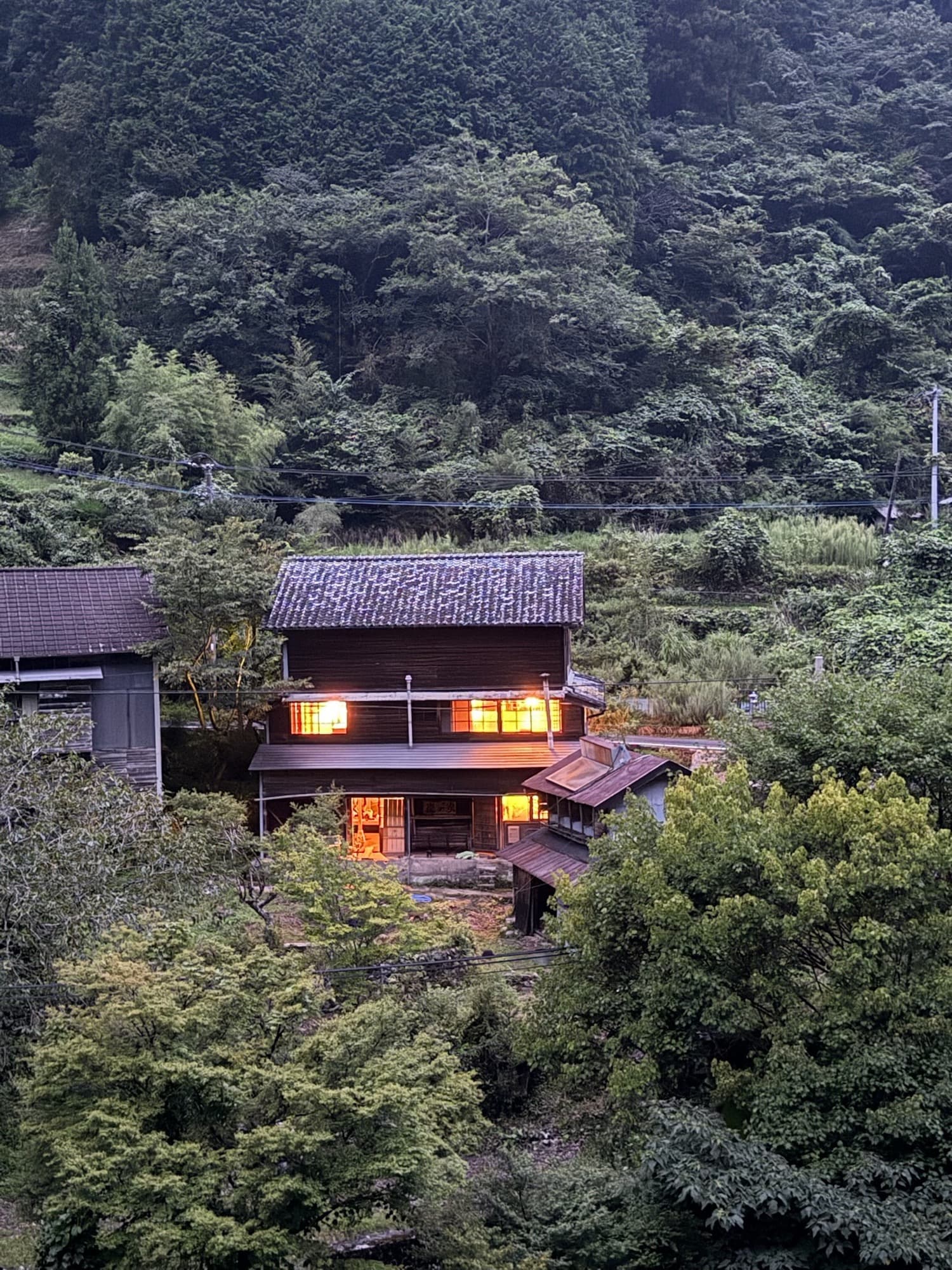
The house on the ridge road had been empty for eleven years. The owner died; the family lived in Kochi City and had no plans to return. The roof was fine. The timber frame was intact. The tatami had mold on the edges, but the floor beneath was solid. Three hours of cleaning and it would have been liveable.
This is common. The popular image of Japan's akiya problem is collapsing structures with grass growing through the floors. That exists — but most of the empty houses we've seen are structurally sound and just need someone to live in them.
The obstacles are bureaucratic as much as physical. Inheritance laws mean a single property can be owned by dozens of descendants spread across the country, all of whom must consent to a sale. Registering a change of use takes months. Rural banks are conservative about lending for renovation. Insurance is difficult to obtain for structures over a certain age.
The town office has an akiya register, but it's incomplete. Many owners don't want to publicise that a family property is empty — there's social stigma attached to abandonment, even unintentional abandonment.
Sumi no Ie went through the full process. It took fourteen months from first contact with the owner's family to the day we got the keys. We'd do it again. The house was worth saving. So are most of the others.